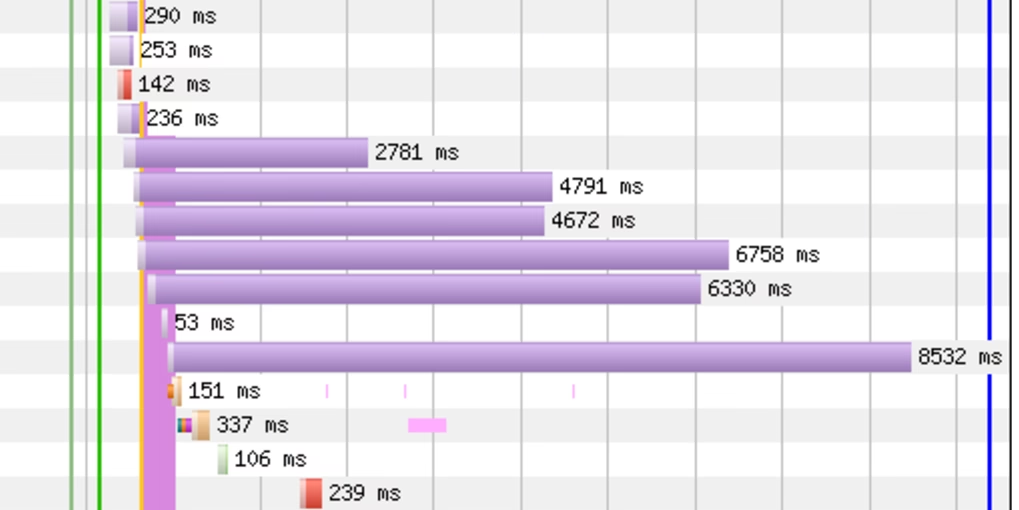
The premise was simple. The Elementor build for a small client site was sluggish, PageSpeed was howling about render-blocking everything, and the budget didn’t stretch to WP Rocket. So, free cache plugin. How hard can that be.
Two hours in I’d read the same three sentences on twelve different blogs. Each one ranked the same six plugins in roughly the same order, each one used the phrase ‘lightning fast’ at least once, and each one had an affiliate link to WP Rocket buried halfway down despite the post being titled ‘best FREE WordPress cache plugins’.
You can smell when a list has been written by someone who hasn’t actually installed the things they’re recommending. The screenshots are stock. The pros and cons read like they were generated from the plugin’s own marketing page. The ‘verdict’ is always ‘depends on your needs’, which is the writing equivalent of a shrug.
So I did the obvious thing and tested them properly. Same site, same hosting, same theme, same content. Clear cache, install plugin, default settings, run PageSpeed three times, average the score. Then turn on everything the plugin claimed it could do, run it again. Then uninstall, install the next one.
Findings, in no particular order.
LiteSpeed Cache is genuinely good if you’re on LiteSpeed hosting. If you’re not, it’s a CSS/JS optimiser with delusions of grandeur. Half the impressive-sounding features are server-side and silently do nothing when the underlying stack isn’t LiteSpeed. Nobody mentions this in the listicles because mentioning it would shorten the listicle.
W3 Total Cache still works. It also still has a settings page that looks like a 2011 phpBB admin panel and assumes you know what ‘Pagespeed.googleapis.com integration’ means before it’ll let you turn anything on. Power-user plugin pretending to be a beginner one. Once configured properly it’s solid. The configuring properly bit is where most people give up.
WP Super Cache does exactly what it says, in the way you’d expect a plugin maintained by Automattic to do it. No surprises, no drama, no upsell screens. Modest gains. The boring option, which on a client site is often the right option.
WP Fastest Cache has a free tier that’s deliberately crippled in ways that aren’t obvious until you’ve spent an hour wondering why minification isn’t working. The paid version is fine. The free version is a trial dressed up as a product.
Cache Enabler by KeyCDN is the only one that felt like it was written by someone who just wanted a cache plugin to exist and didn’t have a sales funnel attached. Five settings. Works. Boring. Brilliant.
Hummingbird wanted me to make an account before it would do anything. Uninstalled.
The actual surprise wasn’t which plugin won. The surprise was how much of the perceived speed gain across all of them was lazy-loading images and deferring JavaScript – things that have nothing to do with caching at all, and that you can do with a five-line snippet or a different plugin entirely. Most of these tools are bundling three or four unrelated optimisations under the word ‘cache’ and taking credit for the lot.
Which is fine, in a way. But it means the ‘cache plugin shootout’ framing the entire genre runs on is mostly nonsense. You’re not comparing caching strategies. You’re comparing which plugin happens to also enable lazy loading by default and which one has the most aggressive minifier, and then pretending the page is faster than it actually is.
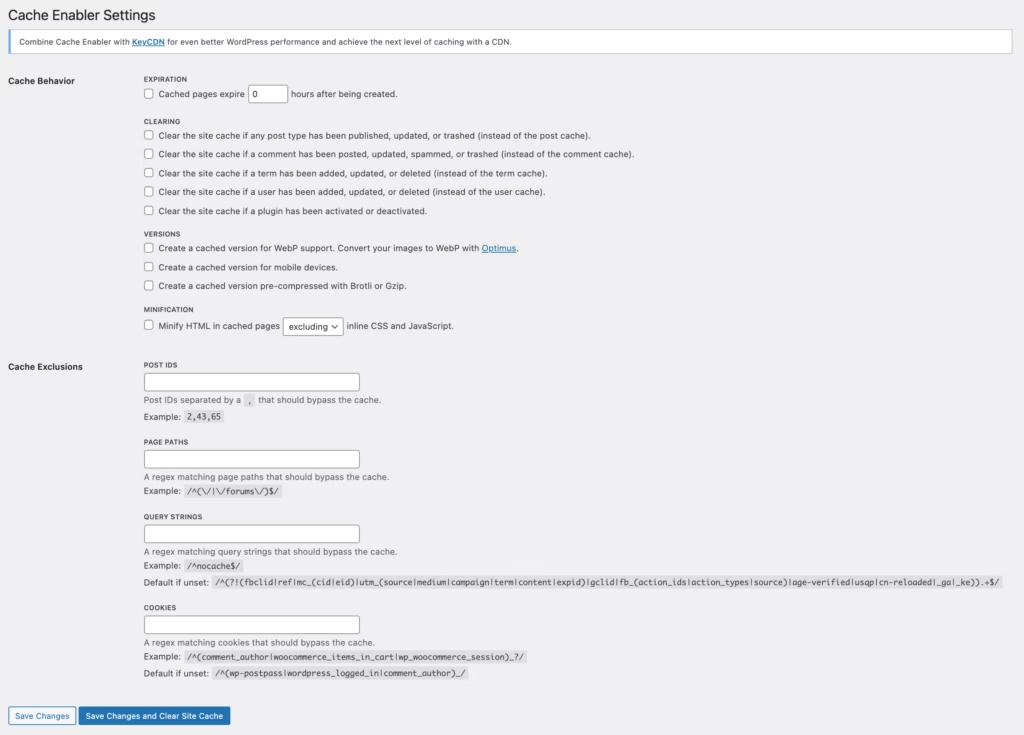
I went with Cache Enabler in the end. Five settings, no upsell, doesn’t pretend to be doing magic. The site got noticeably quicker. PageSpeed went from yellow to green, which is the only metric anyone ever actually checks.
The other lesson from the exercise was that ‘top 10 WordPress plugin’ content is now almost entirely an SEO substrate with affiliate revenue attached. The posts aren’t written for you, they’re written for Google, and once you notice it you can’t un-notice it. The phrasing patterns repeat. The structures repeat. The recommended plugins repeat in roughly the same ranked order because they’re all cribbing from each other and from the affiliate dashboards.
Somewhere in there is a useful blog post about WordPress optimisation. It’s just not on the first three pages of search results, because the first three pages are an ecosystem feeding itself.